




Thier or Their: Correct Spelling, Meaning, and Examples
If you are choosing between thier or their, the correct choice is their. The spelling thier is a common mistake, but it is not the standard…
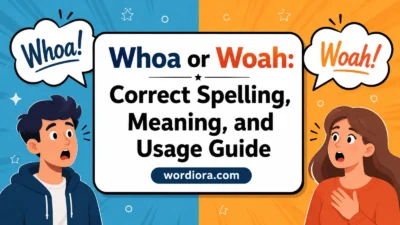
Whoa or Woah: Correct Spelling, Meaning, and Usage Guide
If you are choosing between whoa or woah, use whoa in standard American English. It is the safer spelling for school writing, articles,…

Galinda or Glinda: Correct Name, Meaning, and Usage Guide
If you are choosing between Galinda or Glinda, the right answer depends on the context. These are not two ordinary English words. They are…
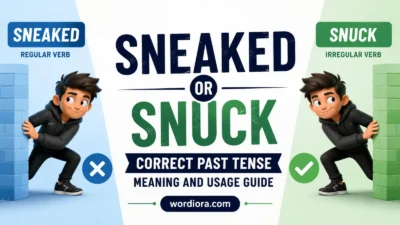
Sneaked or Snuck: Correct Past Tense Meaning and Usage Guide
Sneaked or snuck is a common word-choice question because both forms are used as the past tense of sneak. You may hear “I snuck out early” in…

Crowler or Growler: Meaning, Difference, and Best Choice
Crowler or growler can be confusing because both words belong to craft beer talk. They also sound similar, appear in taproom menus, and…

Lessor or Lessee: Meaning, Difference, and Lease Examples
Lessor and lessee are both correct words, but they name opposite sides of a lease. That is why they are easy to mix up. They look similar,…

Perfect or Prefect: Correct Meaning, Usage, and Examples
Perfect and prefect look almost the same, but they do not mean the same thing. One small letter change creates a completely different word.…
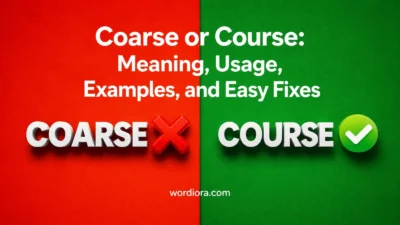
Coarse or Course: Meaning, Usage, Examples, and Easy Fixes
Coarse and course sound the same, but they do not mean the same thing. This is why they cause so many mistakes in everyday writing. One word…
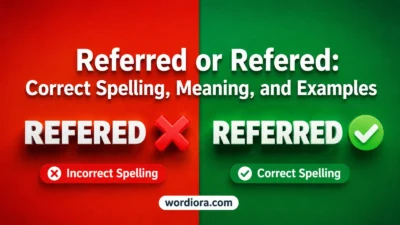
Referred or Refered: Correct Spelling, Meaning, and Examples
The correct spelling is referred, not refered. Use referred when you need the past tense or past participle of the verb refer. For example,…
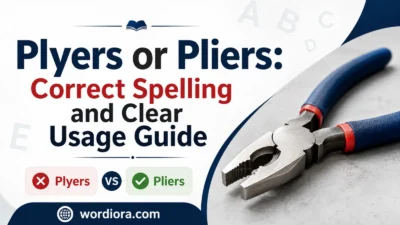
Plyers or Pliers: Correct Spelling and Clear Usage Guide
If you are choosing between plyers or pliers, use pliers in standard modern US English. It is the normal spelling for the hand tool used to…