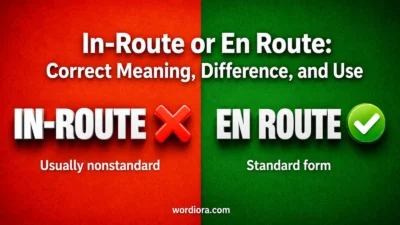
Word Choice7 Min Read Daniel HarrisonJune 11, 2026 in-route-or-en-route: Correct Meaning, Difference, and Use If your sentence means “on the way,” in-route is not the standard choice. The better form is usually en route, written as two words with no…
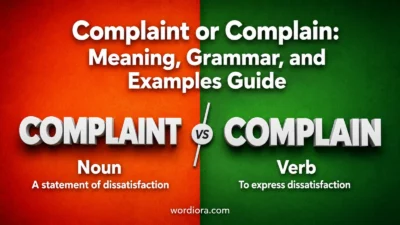
Word Choice6 Min Read Daniel HarrisonJune 11, 2026 Complaint or Complain: Meaning, Grammar, and Examples Guide Last Updated: July 27, 2026 Complaint and complain are both correct words, but they do different jobs in a sentence. The difference is not…
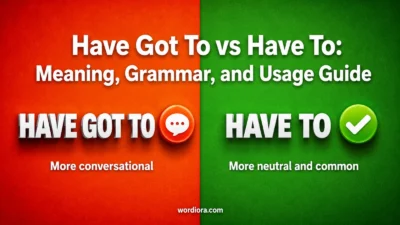
Word Choice9 Min Read Daniel HarrisonJune 10, 2026 Have Got To vs Have To: Meaning, Grammar, and Usage Guide Both have got to and have to are correct in standard English. In many sentences, they mean the same thing: something is necessary, required,…
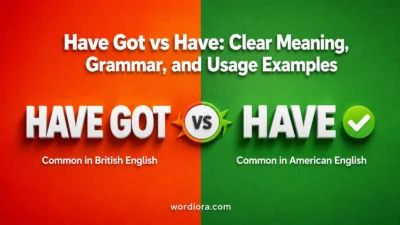
Word Choice7 Min Read Daniel HarrisonJune 10, 2026 Have Got vs Have: Clear Meaning, Grammar, and Usage Examples Have got vs have is a common grammar choice because both forms can point to the same basic idea: possession. You can say “I have a car” or…
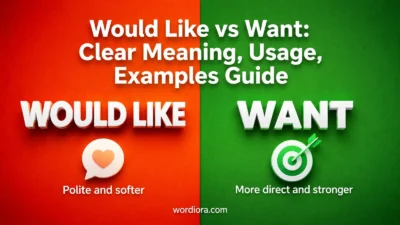
Word Choice9 Min Read Daniel HarrisonJune 10, 2026 Would Like vs Want: Clear Meaning, Usage, Examples Guide Both “would like” and “want” are correct in standard English, but they do not always create the same feeling. The main difference is tone.…
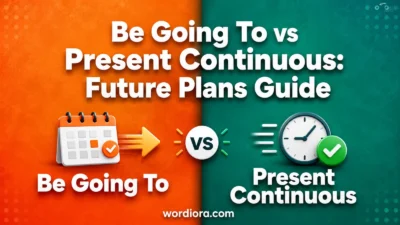
Word Choice9 Min Read Daniel HarrisonJune 9, 2026 Be Going To vs Present Continuous: Future Plans Guide Both be going to and present continuous can talk about the future, but they do not always feel the same. Use be going to when you mean an…
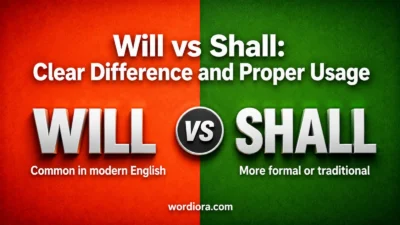
Word Choice9 Min Read Daniel HarrisonJune 9, 2026 Will vs Shall: Clear Difference and Proper Usage Will vs shall is a common word-choice question because both words can talk about the future. The real difference is how they sound and where…
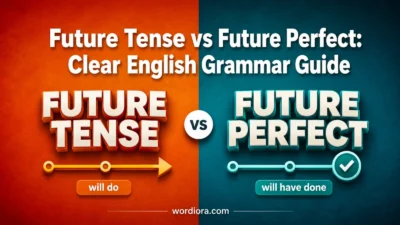
Word Choice8 Min Read Daniel HarrisonJune 9, 2026 Future Tense vs Future Perfect: Clear English Grammar Guide Future tense vs future perfect is mainly a difference between a future action and a completed future action. Use future tense when you want to…
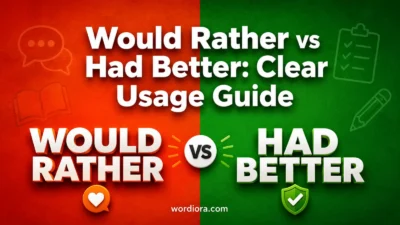
Word Choice9 Min Read Daniel HarrisonJune 9, 2026 Would Rather vs Had Better: Clear Usage Guide Would rather vs had better is a common English confusion because both phrases often appear as ’d rather and ’d better in everyday speech. The…
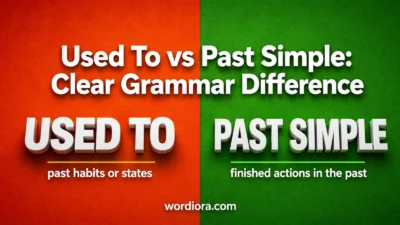
Word Choice8 Min Read Daniel HarrisonJune 9, 2026 Used To vs Past Simple: Clear Grammar Difference Both used to and past simple talk about the past, but they do not always do the same job. The main difference is this: used to shows a past…