




Better vs Best: Difference, Grammar, and Examples Guide
Better vs best is a common word-choice problem because both words point to something good. The difference is in the comparison. Use better…
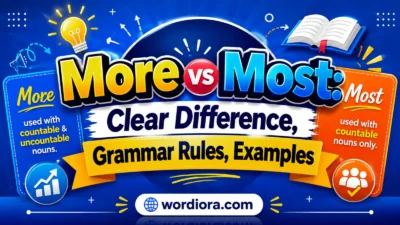
More vs Most: Clear Difference, Grammar Rules, Examples
More and most are both correct English words, but they are not used the same way. Use more when you compare a larger amount, number, or…
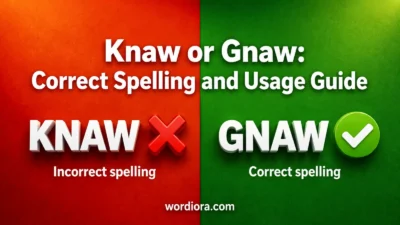
Knaw or Gnaw: Correct Spelling and Usage Guide
If you are choosing between knaw and gnaw, the correct word for modern US English is gnaw. Use gnaw when you mean to bite or chew something…

Time Flies or Time Flys: Correct Usage Guide for Writers
Last Updated: July 27, 2026 The correct phrase is time flies, not time flys. Use time flies when you mean that time seems to pass quickly. The…
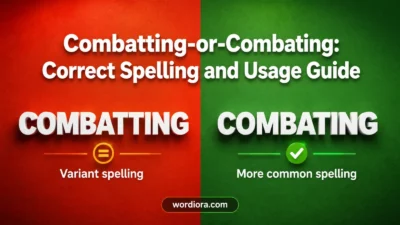
Combatting-or-Combating: Correct Spelling and Usage Guide
Combating is the best choice for most modern US writing. Combatting is not a different word, and it does not have a different meaning. It is a…
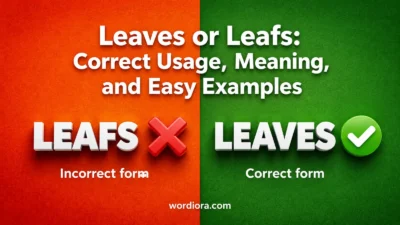
Leaves or Leafs: Correct Usage, Meaning, and Easy Examples
The choice between leaves or leafs can look simple, but it has one important twist. In most sentences, leaves is the correct plural of leaf.…

Freshman or Freshmen: Correct Usage, Rules, and Examples
Freshman and freshmen are both correct, but they are not used the same way. The choice depends on whether you mean one first-year student,…
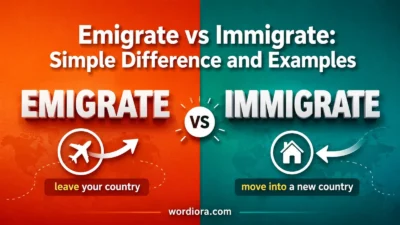
Emigrate vs Immigrate: Simple Difference and Examples
Emigrate and immigrate both describe moving from one country or place to another to live there. The difference is the point of view. Use…
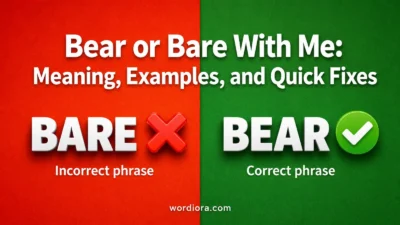
Bear or Bare With Me: Meaning, Examples, and Quick Fixes
The correct phrase is bear with me, not bare with me, when you mean “please be patient with me.” This mistake happens because bear and bare…
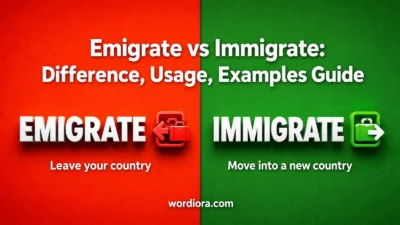
Emigrate vs Immigrate: Difference, Usage, Examples Guide
Emigrate vs immigrate is a common word-choice problem because both words describe moving from one country to another. The difference depends…